
Key Takeaways
- Air purifiers with HEPA and activated carbon filters help reduce many common household odors while improving indoor air quality.
- Identifying and eliminating the source of odors is essential for long-lasting results, as air purifiers cannot fix underlying problems.
- Common odor sources include cooking, pets, smoke, bathrooms, garbage, mold, laundry rooms, basements, and new household materials.
- Regular cleaning, proper ventilation, and humidity control work together with air purifiers to keep indoor spaces fresh.
- Choosing an air purifier with the right room size rating and filter type improves its effectiveness and efficiency.
- Routine maintenance, such as replacing filters and cleaning high-odor areas, helps maintain consistent performance.
- A combination of good cleaning habits and effective air filtration creates a healthier and more comfortable home environment.
Every home develops odors from time to time. Cooking dinner, owning pets, doing laundry, or simply living day to day can create smells that linger longer than we’d like. While opening a window or spraying an air freshener may provide temporary relief, these solutions often mask odors instead of addressing what causes them.
Air purifiers have become increasingly popular because they help improve indoor air quality while reducing many common household odors. Models equipped with activated carbon filters are especially effective at trapping odor-causing gases, while HEPA filters capture dust, pollen, pet dander, and other airborne particles. Although air purifiers cannot solve every odor problem, they can become an important part of a cleaner and fresher home.
In this guide, we’ll look at 10 common household odors, explain what causes them, and discuss how air purifiers can help create a more pleasant indoor environment.
How Air Purifiers Help Reduce Odors
Before exploring individual odors, it’s important to understand how air purifiers work.
Most quality air purifiers use multiple filtration stages. HEPA filters capture tiny airborne particles such as dust, pollen, mold spores, and pet dander. Activated carbon filters absorb odor-causing gases, smoke, and volatile organic compounds (VOCs). Some units also include pre-filters that trap larger debris before it reaches the main filters.
It’s important to remember that air purifiers treat the air, not the source of an odor. If mold is growing behind a wall or food is rotting in the refrigerator, those problems must still be addressed directly.
Air purifiers work best alongside good cleaning habits and proper ventilation.
Features to look for include:
- HEPA filtration
- Activated carbon filter
- Appropriate room size rating
- Quiet operation
- Easy filter replacement
- Energy-efficient design
1. Cooking Odors

Cooking is one of the most common causes of lingering household smells. Fried foods, fish, garlic, onions, and spicy ingredients often leave strong odors that spread throughout the home.
Kitchen exhaust fans help remove much of the smell while cooking, but an air purifier with an activated carbon filter can continue removing odor particles after the meal is finished.
Keeping the kitchen clean by wiping countertops, emptying trash regularly, and washing dishes promptly also helps prevent lingering smells.
Reduce cooking odors by:
- Using range hoods
- Running an air purifier
- Opening windows when possible
- Cleaning spills quickly
- Taking out the trash regularly
2. Pet Odors
Pets bring joy to a home, but they also introduce odors from fur, dander, accidents, litter boxes, and bedding.
An air purifier helps capture airborne pet dander while reducing odor particles that circulate through your living space. However, regular grooming, vacuuming, and washing pet bedding remain essential.
For families focused on creating a pet friendly home, combining routine cleaning with an effective air purifier helps maintain fresher indoor air while allowing pets to remain comfortable members of the household.
Maintaining both cleanliness and proper filtration creates a healthier environment for everyone.
Reduce pet odors by:
- Grooming pets regularly
- Washing pet bedding
- Vacuuming often
- Cleaning litter boxes daily
- Using an air purifier
3. Smoke Odors
Whether from fireplaces, candles, cooking mishaps, or tobacco products, smoke odors can linger for long periods.
Activated carbon filters are particularly effective at reducing smoke-related smells because they absorb many odor-causing gases.
If smoke exposure is severe, cleaning walls, upholstery, curtains, and carpets may also be necessary because smoke particles settle onto surfaces.
Addressing both the air and surrounding materials provides the best results.
Smoke odor solutions include:
- Carbon-filter air purifiers
- Cleaning fabrics
- Washing walls
- Improving ventilation
- Replacing HVAC filters
4. Bathroom Odors
Bathrooms naturally experience odors from moisture, plumbing, and everyday use.
Running exhaust fans during and after showers helps reduce humidity while improving air circulation. Air purifiers can help remove lingering odors, but they should not replace proper ventilation or routine cleaning.
Regularly disinfecting bathroom surfaces and checking for plumbing leaks also helps prevent unpleasant smells from developing.
Bathroom odor control tips:
- Use exhaust fans
- Clean regularly
- Empty trash frequently
- Repair plumbing leaks
- Use an air purifier
5. Garbage and Food Waste
Kitchen garbage bins often produce unpleasant smells, especially during warm weather.
Empty trash regularly, clean garbage containers, and avoid allowing food waste to accumulate for extended periods.
An air purifier may help reduce airborne odors, but removing the waste remains the most effective solution.
Keeping garbage under control benefits both air quality and household hygiene.
Keep trash odors under control by:
- Taking out garbage often
- Cleaning trash cans
- Using liners
- Sealing food waste
- Running nearby air purifiers
6. Mold and Mildew Smells
Musty odors frequently indicate excess moisture somewhere in the home.
Air purifiers equipped with HEPA filters can capture airborne mold spores, while activated carbon filters help reduce associated odors. However, removing the source of moisture remains essential.
Inspect bathrooms, basements, crawl spaces, and laundry rooms for leaks or high humidity if musty smells persist.
Ignoring mold problems allows them to become much worse over time.
If you notice musty odors:
- Check for leaks
- Reduce humidity
- Improve ventilation
- Clean affected surfaces
- Inspect hidden spaces
7. Laundry Room Odors
Damp towels, forgotten laundry, and poorly ventilated washing machines often create unpleasant smells.
Leave the washing machine door open after use to allow it to dry completely. Clean the washer regularly according to the manufacturer’s instructions.
Air purifiers may help reduce lingering moisture-related odors in laundry rooms while improving overall air quality.
Routine maintenance keeps appliances smelling fresher.
Laundry room maintenance includes:
- Drying the washer after use
- Cleaning lint traps
- Washing machine maintenance
- Improving ventilation
- Keeping floors dry
8. New Furniture and Paint Smells
Many new furniture pieces, flooring materials, and fresh paint release volatile organic compounds (VOCs), creating noticeable odors during the first several days or weeks.
Air purifiers containing activated carbon filters can help reduce these airborne compounds while the materials continue curing.
Opening windows whenever weather permits also speeds odor removal by increasing fresh air exchange.
Most new-product odors gradually fade with time.
To reduce new-product odors:
- Ventilate rooms
- Use carbon filters
- Follow curing recommendations
- Avoid overcrowding newly painted rooms
- Allow fresh air circulation
9. Basement Odors
Basements often trap moisture because they receive less natural airflow than upper floors.
Musty basement smells may result from humidity, foundation leaks, stored items, or poor ventilation.
Air purifiers help improve air quality, but homeowners should also consider dehumidifiers if moisture levels remain consistently high.
Addressing structural moisture problems prevents recurring odors.
Basement odor prevention includes:
- Running dehumidifiers
- Improving airflow
- Inspecting foundations
- Storing items properly
- Cleaning regularly
10. Everyday Household Odors
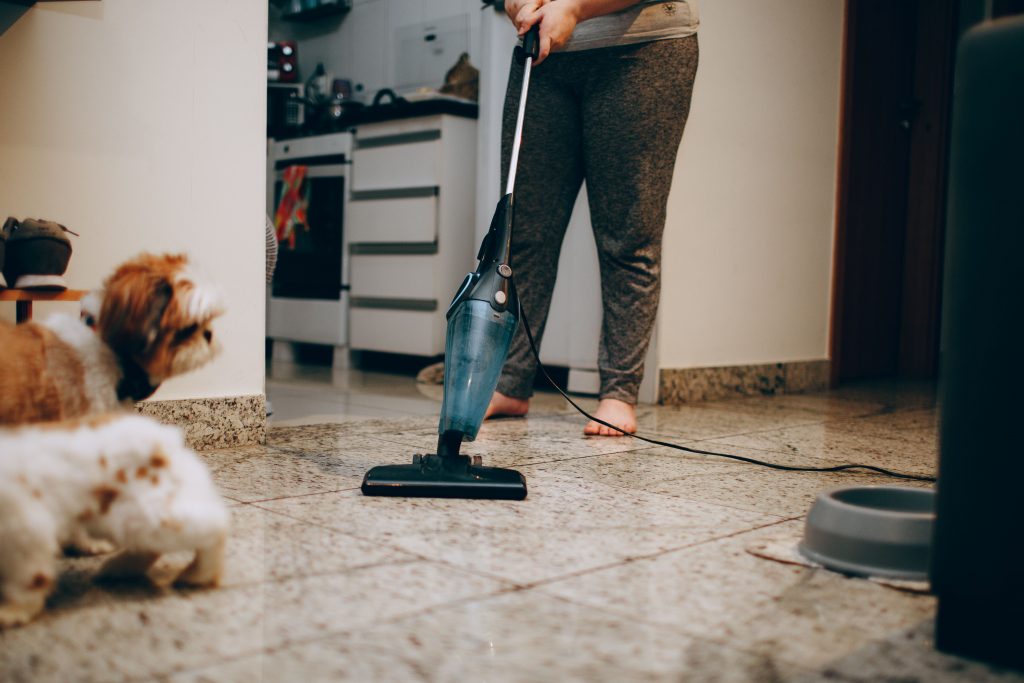
Sometimes homes simply develop a combination of small everyday odors from shoes, fabrics, cooking, dust, and normal family activities.
Regular vacuuming, washing bedding, cleaning upholstery, changing HVAC filters, and using an air purifier all contribute to fresher indoor air.
Small daily habits often produce the greatest long-term improvements.
Consistency matters more than occasional deep cleaning.
Everyday habits include:
- Vacuum regularly
- Wash bedding
- Dust frequently
- Open windows
- Replace HVAC filters
- Maintain air purifiers
Air Purifiers Support a Healthier Home
While odor reduction is often the primary reason people purchase air purifiers, cleaner indoor air provides additional benefits.
Many HEPA filters remove airborne allergens such as pollen, dust mites, mold spores, and pet dander. This may help improve comfort for family members who experience seasonal allergies or mild respiratory irritation.
Combined with regular cleaning and good ventilation, air purifiers contribute to keeping your family healthy year round by supporting better indoor air quality throughout every season.
Cleaner air benefits everyone, especially in homes where windows remain closed during extreme weather.
Healthy indoor habits include:
- Vacuuming frequently
- Changing air filters
- Using HEPA air purifiers
- Controlling humidity
- Improving ventilation
Choosing the Right Air Purifier
Not every air purifier performs the same way. Before purchasing one, consider the size of the room where it will be used most often.
Check the Clean Air Delivery Rate (CADR), recommended room size, filter replacement costs, and noise level. Bedrooms may benefit from quieter models, while larger living spaces require higher-capacity units.
Models with both HEPA and activated carbon filtration generally provide the most complete odor and particle removal.
Reading independent reviews also helps identify reliable products.
Look for these features:
- HEPA filter
- Activated carbon filter
- Appropriate CADR rating
- Low operating noise
- Easy maintenance
- Affordable replacement filters
Remember to Eliminate the Source
One of the biggest misconceptions about air purifiers is that they eliminate every odor automatically.
In reality, air purifiers work best after the source of the smell has been cleaned, repaired, or removed. If spoiled food remains in the refrigerator or mold continues growing behind drywall, the odor will likely return regardless of filtration.
Think of an air purifier as one valuable tool within a broader home cleaning and maintenance routine.
Combining proper cleaning with effective air filtration produces the freshest results.
Always address:
- Food waste
- Plumbing leaks
- Mold growth
- Dirty carpets
- Pet accidents
- Smoke damage
Final Thoughts
Household odors are a normal part of everyday life, but they don’t have to become permanent. Cooking smells, pet odors, smoke, mold, garbage, laundry, and other everyday sources can all affect how comfortable your home feels.
Air purifiers equipped with HEPA and activated carbon filters offer an effective way to improve indoor air quality while reducing many common odors. However, they work best when paired with regular cleaning, proper ventilation, humidity control, and prompt attention to maintenance issues.
By understanding the source of household odors and choosing the right combination of cleaning practices and air purification, you can create a fresher, healthier, and more welcoming home for your entire family. A consistent approach to indoor air quality helps every room feel cleaner and more comfortable throughout the year.