

Welcome to Your Family’s Complete Guide to Wellness, a comprehensive resource designed to help you navigate various aspects of health and well-being for you and your loved ones. This guide provides insights and information on key health topics, from physical therapy to dental health, ensuring that you have access to the best practices and expert advice. By focusing on a holistic approach to wellness, this guide enables you to prioritize health and make informed decisions for your entire family.
1. How Can Physical Therapy Improve Recovery?

Physical therapy plays a crucial role in the recovery process by helping individuals regain strength, mobility, and function. Through specialized exercises and techniques, physical therapists can provide personalized care that addresses specific injuries or conditions. This form of therapy not only aids in healing but also helps prevent future injuries by enhancing overall body mechanics.
One of the key benefits of physical therapy is that it can significantly shorten the recovery time following surgeries or injuries. By focusing on targeted movements and therapies, patients often find they can return to daily activities with less pain and increased confidence. This proactive approach to treatment supports long-term health and can reduce dependency on medications for pain management.
Finding a reputable physical therapist is essential to achieving a successful recovery. It’s important to seek professionals who are licensed and have experience in treating your specific condition. Personal recommendations and online reviews can be helpful resources in identifying a trusted physical therapist who meets your needs.
2. What Essentials Should My Family Have on Hand?
Creating a well-rounded approach to family wellness means paying attention to the small, practical details that support health and safety daily. While major healthcare decisions often take center stage, it’s the everyday essentials—like first aid readiness, preventative care, and smart product choices—that quietly make a significant impact.
A fully stocked home first aid kit is one of the simplest yet most effective tools for maintaining family wellness. Beyond basics like bandages and antiseptics, it’s worth including high-quality medical adhesives designed for different needs. These products go beyond traditional sticky bandages, offering solutions for securing dressings, supporting minor injuries, or protecting sensitive skin. For families with children or older adults, choosing hypoallergenic or breathable adhesive options can help reduce irritation and improve comfort during use.
Medical grade adhesives also play a role in managing ongoing care needs. Whether it’s securing gauze after a minor procedure or supporting wearable health devices, these materials contribute to both convenience and hygiene. When used correctly, they help keep wounds clean, minimize disruption to healing, and allow for greater mobility—an important factor for maintaining normal routines.
Of course, wellness at home extends far beyond first aid supplies. Preventative care should remain a priority, including regular checkups, dental cleanings, and vision screenings. Establishing consistent healthcare habits helps identify potential issues early and reinforces a proactive mindset toward well-being.
Equally important is creating an environment that supports physical and mental health. This can include maintaining clean indoor air, encouraging daily movement, and setting aside time for rest and recovery. Small adjustments—like organizing medications properly, labeling supplies clearly, or keeping emergency contacts accessible—can make a meaningful difference in how confidently a household responds to health-related situations.
Ultimately, a comprehensive wellness strategy blends preparedness with prevention. By combining practical tools like medical adhesives with broader healthy living habits, families can build a foundation that supports both immediate care and long-term well-being.
3. Why is Early Dental Care Important?
The significance of early dental care cannot be overstated, particularly in setting the groundwork for lifelong oral health. A pediatric dentist specializes in managing the dental care needs of children, guiding them through optimal oral hygiene practices from a young age. By establishing good habits early on, children can prevent cavities, gum disease, and other common dental issues.
Pediatric dentists offer a wide range of dental services, including cleanings, sealants, fluoride treatments, and orthodontic assessments. Their training allows them to work effectively with young patients, making dental visits less intimidating and more educational. This specialization ensures that children’s unique dental needs are addressed with care and expertise.
Choosing the best pediatric dentist involves evaluating their credentials, experience, and rapport with children. It’s essential to select a dentist who makes appointments comfortable and educational for your child, fostering a positive attitude toward dental health. Recommendations from other parents and online reviews can be excellent tools in selecting the right professional.
4. When Should I Visit the Emergency Room?

Understanding the difference between urgent and non-urgent conditions is key to deciding whether a visit to the local emergency room is necessary. Urgent conditions typically involve acute symptoms that require immediate medical attention, such as chest pain, difficulty breathing, or severe injuries. On the other hand, non-urgent situations might be appropriately managed by primary care providers or urgent care clinics.
During an ER visit, patients can expect to undergo triage, which determines the priority of their medical needs. This process ensures that those with life-threatening conditions receive prompt treatment. ER staff are equipped to address a wide array of medical emergencies, providing peace of mind in critical situations.
Alternatives to emergency room visits include telemedicine services, urgent care clinics, and scheduling appointments with primary care physicians for less severe issues. These options can reduce wait times and healthcare costs while still providing necessary care. Knowing when to use these alternatives can ensure you receive timely and appropriate medical attention.
5. How Often Should Dental Cleanings Be Scheduled?
The importance of regular dental cleanings cannot be emphasized enough, as they play a vital role in maintaining oral health. Professional cleanings help remove plaque and tartar that regular brushing and flossing might miss, reducing the risk of decay and gum disease. Regular visits to the dentist also allow for early detection of potential issues.
For most individuals, dental cleanings are recommended every six months, though this frequency can vary based on age and dental condition. Children, for instance, may need more frequent visits to monitor and guide the development of healthy teeth and gums. Regular checkups are an essential part of preventative dental care for all age groups.
Choosing the right dental clinic for cleanings involves considering factors such as location, office hours, and the dentist’s expertise. Additionally, a comfortable environment and friendly staff can make dental visits a more pleasant experience for you and your family. A reliable clinic that meets these criteria will help foster a positive attitude toward dental care.
6. What Benefits Does Massage Offer?
Massage therapists offer a diverse array of benefits, enhancing both physical and mental health through various types of therapies. These can include Swedish massages, deep tissue, and sports massages, each tailored to address specific needs and conditions. This range of techniques allows individuals to receive personalized care that targets tension and promotes relaxation.
Besides providing immediate relaxation and stress relief, massages improve circulation, reduce muscle tension, and aid in faster recovery from injuries. The therapeutic effects also extend to mental health, helping to alleviate anxiety and improve mood. Regular sessions with a skilled massage therapist can lead to improved overall well-being and a higher quality of life.
Finding qualified massage therapists near you entails checking their certification and areas of specialization. Word-of-mouth recommendations and online reviews can guide you to trusted professionals who deliver effective treatments. Ensuring the therapist’s approach aligns with your therapeutic goals will maximize the benefits received from massage therapy.
7. What Are My Options for Dentures?
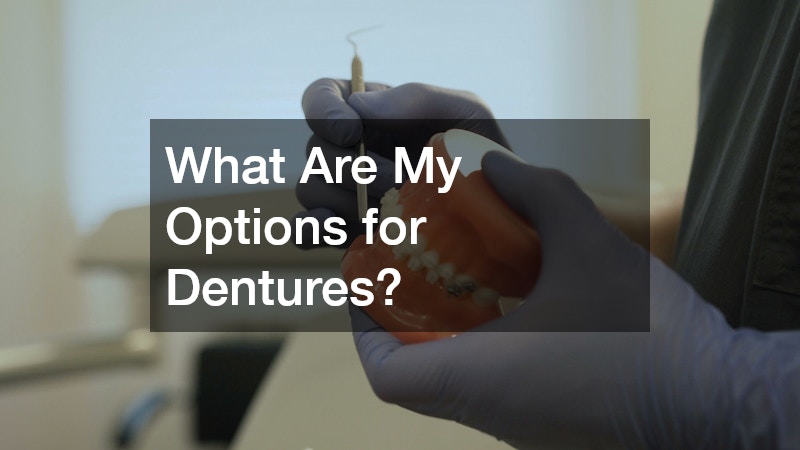
With advancements in dental technology, the options for denture services have expanded significantly, providing benefits such as improved chewing function and aesthetics. Choices include complete dentures for those missing all teeth, and partial dentures for those who still have some natural teeth. Each type offers various benefits, catering to the individual needs and preferences of patients.
The process of fitting dentures involves careful measurement and customization to ensure comfort and functionality. Proper care and maintenance of dentures are vital for longevity and comfort, necessitating cleaning and occasional adjustments by dental professionals. This commitment to care preserves the investment in dentures and promotes oral health.
Selecting a reliable provider for denture services requires researching the overall quality of service, patient reviews, and the credentials of the dental professionals involved. An experienced denture provider will offer comprehensive support, from initial consultation to ongoing maintenance. This ensures that patients receive the best possible care and outcomes from their dentures.
8. How Do Braces Help in Dental Health?
Orthodontists play a pivotal role in dental health, specializing in diagnosing and treating malocclusions and other bite abnormalities. Their treatments often involve braces or clear aligners that help align teeth and improve bite function. These interventions not only enhance aesthetic appeal but also contribute to better oral health by facilitating easier cleaning and reducing wear on teeth.
Early orthodontic intervention, typically during the formative kindergarten years, can prevent more severe issues later in life. Benefits include correcting jaw growth, preventing misaligned teeth, and improving speech or chewing difficulties. Orthodontists develop tailored treatment plans that ensure optimal outcomes for each patient.
Selecting an orthodontic specialist involves considering their qualifications, experience, and approach to patient care. Reviews and referrals often help gauge the quality of care provided, ensuring that you choose a specialist who aligns with your dental health objectives. A well-chosen orthodontist supports lasting advancements in oral wellness.
9. Why Regular Eye Exams with an Optometrist Are Essential?
Regular eye exams with an optometrist are crucial in ensuring optimal vision health and detecting potential issues early. Optometrists assess not only vision but also scan for eye diseases such as glaucoma or cataracts that may otherwise go unnoticed. Early detection and intervention can prevent long-term damage and preserve eyesight.
Eye exams are generally recommended annually, though this varies based on age and health circumstances. For example, children and adults with a family history of eye disorders may require more frequent examinations. Regular checkups are integral in updating prescriptions and monitoring vision changes.
Choosing a quality optometrist involves evaluating their credentials, specialties, and the range of services offered. Comfort and rapport between the optometrist and patient are also important factors, as these foster a trusting relationship conducive to ongoing eye care. A well-selected optometrist helps maintain overall eye health and vision quality.
10. Are Chiropractors Right for My Family?

Chiropractic treatments focus on diagnosing and treating musculoskeletal disorders, primarily through manual adjustment techniques. These non-invasive treatments aim to restore proper alignment, alleviating pain and improving functionality. Chiropractic care is particularly beneficial for conditions such as back pain, headaches, and joint injuries, making it a valuable consideration for overall family health.
Practitioners of chiropractic treatments often emphasize preventive care, encouraging regular checkups even without pressing symptoms. This proactive approach supports maintaining long-term musculoskeletal health, reducing the likelihood of future ailments. By integrating chiropractic care into the wellness routine, families can enjoy enhanced physical welfare.
Identifying qualified chiropractors involves ensuring their licensure, area of expertise, and patient satisfaction levels. Evaluating these factors helps ensure that you select professionals who are skilled and trustworthy. With the right chiropractor, your family gains a reliable partner in achieving improved spinal health and overall well-being.
By approaching wellness with a holistic mindset, families can move beyond reactive care and instead build a proactive, integrated strategy for long-term health. This means not only scheduling regular checkups with primary care providers, but also recognizing the value of specialized care across multiple disciplines. Preventative visits to dental professionals, routine vision exams, and targeted therapies such as physical rehabilitation all contribute to a more complete picture of well-being. When these elements work together, they help detect issues earlier, reduce the risk of chronic conditions, and support healthier daily habits.
Making informed decisions when selecting healthcare providers is a critical part of this process. Each provider plays a distinct role, whether it’s a physical therapist helping restore mobility, a pediatric dentist ensuring proper oral development, or an optometrist monitoring vision changes over time. Evaluating credentials, communication style, accessibility, and patient reviews allows families to build a trusted network of professionals who align with their specific needs and values. This level of intentionality not only improves the quality of care but also creates a more consistent and reassuring healthcare experience for every member of the household.