Children today face many demands on their time and energy, from schoolwork to social pressures and screen-based entertainment. Finding an activity that supports their physical health while also nurturing confidence and emotional well-being can make a meaningful difference in their development. One activity that continues to stand out for its wide-ranging benefits is gymnastics, which offers children a structured yet creative environment where they can grow in multiple ways at once.
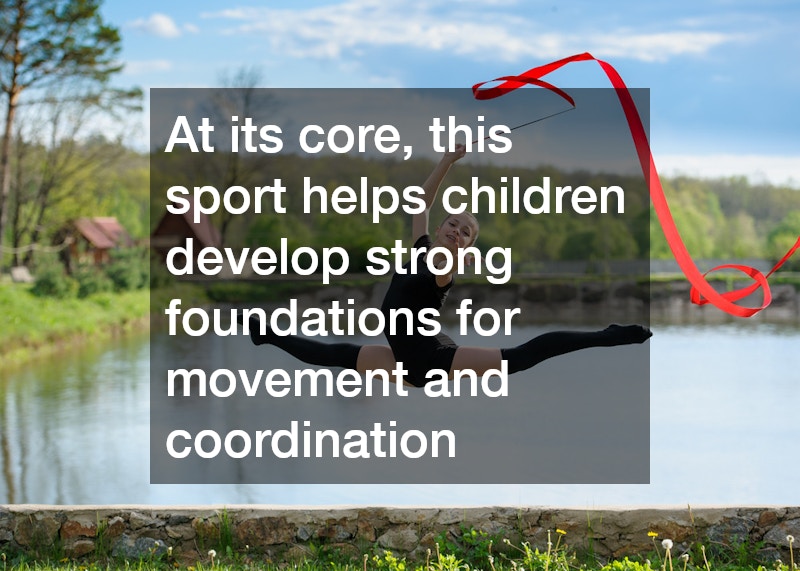
At its core, this sport helps children develop strong foundations for movement and coordination. Classes focus on balance, flexibility, strength, and body awareness, all of which are essential skills during childhood.
As kids learn to control their bodies through jumping, rolling, and supporting their own weight, they build physical literacy that can benefit them in almost any other activity they choose later in life. These skills are especially valuable during growth years, when coordination and posture are still forming.
Beyond physical development, participation also supports mental and emotional growth. Learning new movements requires focus, patience, and perseverance. Children quickly discover that progress doesn’t happen instantly, and that effort matters more than perfection. This understanding helps them build resilience and a healthy attitude toward challenges. Over time, they learn to set goals, work toward them step by step, and celebrate improvement rather than just outcomes.
Confidence is another powerful benefit. Mastering a new skill, even a small one, can have a big impact on how children see themselves. Each achievement reinforces the idea that they are capable and strong. This sense of accomplishment often carries over into other areas of life, such as school and social situations. Children who feel confident in their abilities are more likely to try new things and express themselves openly.
Social development also plays an important role. Group classes encourage cooperation, listening, and respect for others. Children learn how to take turns, follow instructions, and support their peers. Being part of a class can help shy children feel more comfortable interacting with others, while more outgoing kids learn teamwork and empathy. These social skills are essential building blocks for healthy relationships as children grow older.
Another advantage is the structured routine that classes provide. Regular practice helps children develop discipline and time management skills. Knowing when to arrive, how to prepare, and how to stay focused during sessions creates habits that can positively influence daily life. For many families, this routine offers a healthy balance of academic responsibilities and free time.
Importantly, the activity can be adapted to suit a wide range of ages and abilities. Programs are often designed to meet children where they are, whether they are energetic beginners or more experienced participants. This inclusivity allows kids to progress at their own pace without feeling pressured to compete. The emphasis on personal growth rather than comparison helps create a supportive and encouraging environment.
Parents also appreciate the long-term health benefits. Regular movement helps maintain a healthy weight, improves flexibility, and supports strong bones and muscles. Developing these habits early can encourage an active lifestyle well into adulthood. When children associate physical activity with enjoyment and personal success, they are more likely to stay active as they grow.
In addition, the lessons learned extend far beyond the gym. Children gain problem-solving skills as they figure out how to approach new movements. They learn responsibility by caring for their equipment and respecting safety rules. These experiences shape character and contribute to a well-rounded upbringing.
Enrolling children in gymnastics can be a powerful way to support their overall development. From building physical strength and coordination to fostering confidence, resilience, and social skills, the positive impact reaches into many areas of a child’s life. By providing a safe, structured, and encouraging environment, this activity helps kids thrive not only as athletes but as confident and capable individuals.
Another meaningful benefit is how this activity helps children regulate emotions and manage stress. Physical movement gives kids a healthy outlet to release energy and frustration, which can be especially helpful during emotionally intense stages of development. Structured practice encourages focus and calmness, while repetition builds a sense of control. Over time, children often become better at handling disappointment, excitement, and nervousness in everyday situations.
There is also a strong connection between physical activity and academic performance. Regular movement has been shown to support concentration, memory, and classroom behavior. When children are active outside of school, they often return to learning environments more focused and engaged. The discipline learned through practice routines can translate into better study habits, improved listening skills, and a stronger ability to follow instructions in academic settings.
Finally, this type of program can strengthen family connections and support systems. Parents who attend classes, cheer during performances, or practice skills at home with their children become part of their growth journey. These shared experiences create positive conversations and reinforce encouragement. Celebrating effort together, rather than just results, helps children feel supported and motivated, deepening trust and communication within the family.